
Communication in the Age of Instant Judgment: Why Reputation Strategy Matters More Than Ever
By Muchiri Muchoki
Reputation once moved slowly. Public perception was shaped through sustained engagement with traditional media, carefully managed public relations, and gradual word-of-mouth influence. Today, the speed of communication has fundamentally altered that dynamic. Perceptions can form, shift, and solidify within hours.
A single post, comment, or screenshot can rapidly travel across digital networks, drawing public scrutiny and commentary long before an organisation has had time to respond. In this environment, reputation is no longer simply an outcome of communication; it is something that must be actively and strategically managed.
Organisations that understand this reality treat reputation not as a reactive exercise, but as a core business function.
Reputation as a Strategic Asset
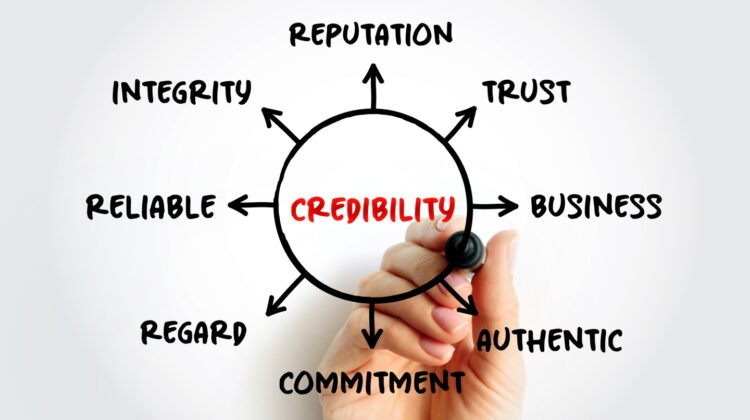
Reputation influences far more than public image. It shapes customer trust, investor confidence, regulatory goodwill, and even employee morale. In many sectors, reputation can determine whether a brand is viewed as credible, reliable, and worthy of long-term engagement.
Yet many organisations continue to treat reputation management as an occasional response to crisis rather than a structured, ongoing discipline. Communication teams are activated when controversy emerges, but remain underutilised during periods of stability.
This approach overlooks a critical truth: the strongest reputations are built long before they are tested. A deliberate strategy ensures that an organisation’s identity, values, and narrative are consistently communicated across multiple platforms. When challenges arise, this established credibility provides an essential buffer.
The Speed of Public Judgment
Modern audiences rarely wait for full context before forming opinions. News travels quickly, but interpretation travels even faster. A partial narrative can dominate public discourse before the complete story emerges. In this environment, organisations face two simultaneous pressures. They must respond quickly enough to remain relevant in the conversation, yet thoughtfully enough to avoid amplifying misunderstanding or escalating conflict.
Strategic communication provides the framework for navigating this balance. It enables organisations to respond with clarity, consistency, and credibility, rather than reacting impulsively under pressure. Preparation, not improvisation, determines whether a brand maintains trust during moments of scrutiny.
Consistency Across Channels
One of the defining features of modern communication is the fragmentation of platforms. Brands now interact with audiences through websites, social media, media interviews, newsletters, podcasts, and digital campaigns. Each channel presents an opportunity to reinforce credibility, but also a risk of inconsistency.
When messaging varies across platforms, audiences receive conflicting signals about what an organisation represents. Over time, these inconsistencies weaken trust and dilute brand authority. Strategic communication addresses this challenge by establishing clear messaging frameworks. These frameworks ensure that regardless of the platform or spokesperson, the organisation communicates with coherence and alignment.
Consistency does not eliminate flexibility; rather, it ensures that flexibility operates within a clear narrative structure.
Thought Leadership as Reputation Infrastructure
Beyond managing risk, strategic communication also creates opportunity. Organisations that invest in thoughtful public engagement often become authoritative voices within their sectors. Through opinion articles, media commentary, and informed participation in industry conversations, brands can shape discourse rather than simply reacting to it. This approach builds intellectual credibility and positions the organisation as a trusted source of insight.
Thought leadership, when authentic and well-articulated, strengthens reputation in a way that traditional advertising rarely achieves. It signals expertise, stability, and long-term vision.
From Visibility to Trust
Visibility alone does not guarantee credibility. In fact, excessive exposure without strategic coherence can create confusion about what a brand truly represents. Reputation strategy focuses not merely on being seen, but on being understood. It ensures that every communication effort contributes to a larger narrative about who the organisation is, what it stands for, and why it matters.
This clarity transforms attention into trust, and trust into lasting relationships with customers, partners, and stakeholders.
A Strategic Imperative
As communication continues to accelerate, reputation will only grow in importance. Organisations that invest in deliberate communication strategies will be better equipped to navigate scrutiny, manage public perception, and sustain credibility.
Those that rely solely on reactive messaging risk surrendering narrative control to the pace and unpredictability of digital conversation. In the modern communication landscape, reputation is not simply a byproduct of visibility. It is the result of disciplined strategy, consistent messaging, and purposeful engagement.
For organisations seeking long-term influence, managing reputation is no longer optional. It is essential.
Muchiri Muchoki is the Founder and CEO of Novaxis Media, a strategic communications and brand positioning firm.
Email: muchiri@novaxismedia.com