
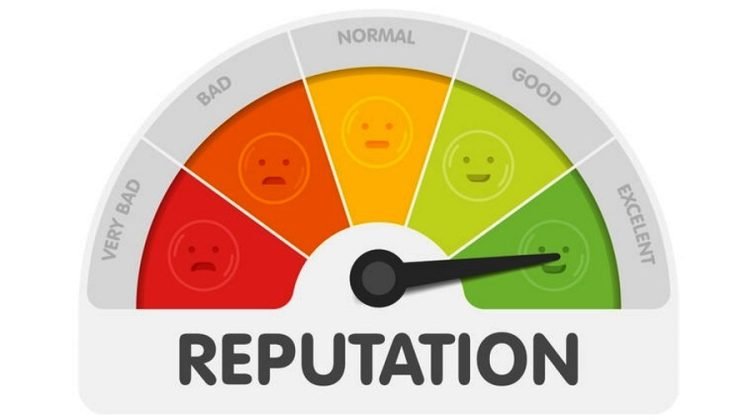
Reputation Is an Asset: Managing Perception in the Age of Speed and Screenshots
By Muchiri Muchoki
Reputation is no longer built quietly over time. It is formed loudly, instantly, and often without warning. Every public interaction, statement, or piece of content contributes to how a brand is understood, trusted, or questioned. In a communication environment where moments are captured and preserved in screenshots, perception has become both fragile and permanent.
For modern organizations, reputation is not simply an outcome of good work. It is a strategic asset that influences credibility, customer loyalty, partnerships, and long-term growth. How a brand is perceived today can determine its opportunities tomorrow.
Perception now moves faster than intention
Communication now travels faster than internal decision-making. A post, comment, or response can reach thousands before a brand has time to reflect on its implications. This speed creates opportunity, but it also creates exposure. Messages taken out of context, inconsistencies across channels, or poorly timed communication can reshape public perception within minutes.
The challenge for brands is not just visibility, but control. Without a clear framework guiding what is said, when it is said, and why it is said, organizations risk allowing perception to be shaped externally rather than intentionally.
When reputation is unmanaged, cost follows
The cost of poor reputation management is rarely immediate, but it is always cumulative. Trust erodes quietly before it disappears publicly. Audiences begin to question credibility. Partners hesitate. Customers disengage.
Inconsistent messaging is one of the most common causes of reputational weakness. When a brand communicates different messages across different moments or platforms, audiences struggle to understand what it stands for. Silence during critical moments can also damage trust, just as much as a poorly considered response.
In a world where screenshots preserve mistakes long after explanations are issued, the margin for error is small. Brands that treat reputation as reactive damage control often find themselves spending more resources correcting perception than building value.
Reputation must be designed, not defended
Strong reputation management begins long before a crisis or controversy emerges. It is built through clarity, discipline, and consistency. Brands that manage perception effectively do not improvise their public voice. They design it.
This requires clarity of purpose. Organizations must understand who they are, what they stand for, and what they will not compromise. That clarity must then translate into consistent tone, messaging, and behavior across every public touch point.
Reputation is strengthened when communication aligns with action. When values are reflected not just in campaigns, but in decisions, responses, and leadership conduct, those values become credible. Over time, credibility compounds into trust.
Engagement does not equal trust
High engagement is often mistaken for reputational success. Posts receive attention. Content circulates widely. Conversations spark. Yet attention alone does not build trust.
Engagement without alignment can actually weaken reputation. Content that performs well but does not reflect the brand’s core message can confuse audiences. Over time, this creates fragmented perception, where different stakeholders hold different interpretations of what the brand represents.
Trust is built through coherence. Audiences must be able to recognize a brand’s voice and values consistently, regardless of the message or moment. When communication lacks this coherence, engagement becomes superficial and short-lived.
Reputation as a competitive advantage
Brands with strong reputations enjoy advantages that cannot be bought through advertising alone. They attract loyalty, earn benefit of doubt during difficult moments, and build resilience against criticism. Stakeholders are more willing to listen, partners more willing to collaborate, and customers more willing to advocate.
Conversely, brands with weak reputations are forced to overinvest in visibility to compensate for trust gaps. They spend more to be believed, more to be considered, and more to recover from missteps.
Reputation, when managed strategically, reduces friction across every aspect of business. It simplifies communication, strengthens influence, and creates long-term value that outlives individual campaigns.
Managing reputation as a living asset
Like any asset, reputation requires maintenance. This includes active listening, regular evaluation of public sentiment, and internal alignment between leadership, communications teams, and operations. It also requires preparation for moments of pressure, when decisions must be made quickly and publicly.
Organizations that succeed in reputation management understand that perception is shaped daily, not occasionally. Every statement contributes. Every response signals priorities. Every silence communicates something.
Bottom line
Reputation is no longer something brands inherit or protect only when threatened. It is something they build intentionally, manage consistently, and invest in strategically. In an environment defined by speed and permanent records, unmanaged perception is a liability.
Brands that treat reputation as an asset gain more than protection. They gain trust, influence, and sustainability. They understand that visibility without credibility is fragile, and engagement without alignment is fleeting. In the end, reputation is not just about how a brand is seen. It is about how long it is believed.
Muchiri Muchoki is the CEO and Founder of Novaxis Media
Email: info@novaxismedia.com